Boston University: The Completion of a Critical Theologian
Explore the pivotal years Martin Luther King Jr. spent at Boston University, a period where his intellectual formation had finalised. This chapter of his education brought together all his previous learning, shaping the leader he was destined to become.
The development of personalism
During his time at Boston University from 1951 to 1955, Martin Luther King Jr. King encountered personalism, a philosophical framework that provided a moral foundation for everything he believed. At its core, it held that every human has inherent worth, and that social must be judged by how it treats people. Growing up witnessing the brutalities of the Jim Crow South, King had learned to abhor segregation, considering it both rationally inexplicable and morally unjustifiable, but through personalism, King possessed the philosophical language to articulate why segregation was so profoundly wrong [5]
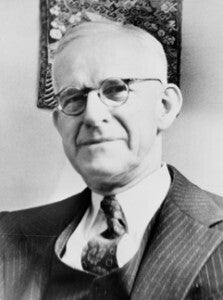
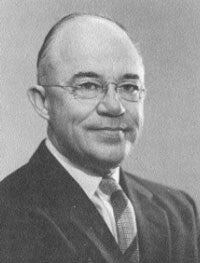
The Influence of Edgar Brightman and Harold DeWolf
Two of the most important individuals through King's education were met at Boston University, Edgar S Brightman and Harold DeWolf. Two men, who as King stated, 'greatly stimulated my thinking'. [6] Brightman was a key reason for why King chose to study at Boston University, since it was Brightman's personalism that had aroused King's interest in Crozer in the first place. [7] Unfortunately for King, Brightman passed away in 1953 meaning Harold DeWolf had to take over King's study of personalism. Together, Brightman and DeWolf had equipped King with a philosophical foundation that he would carry with him for the rest of his life
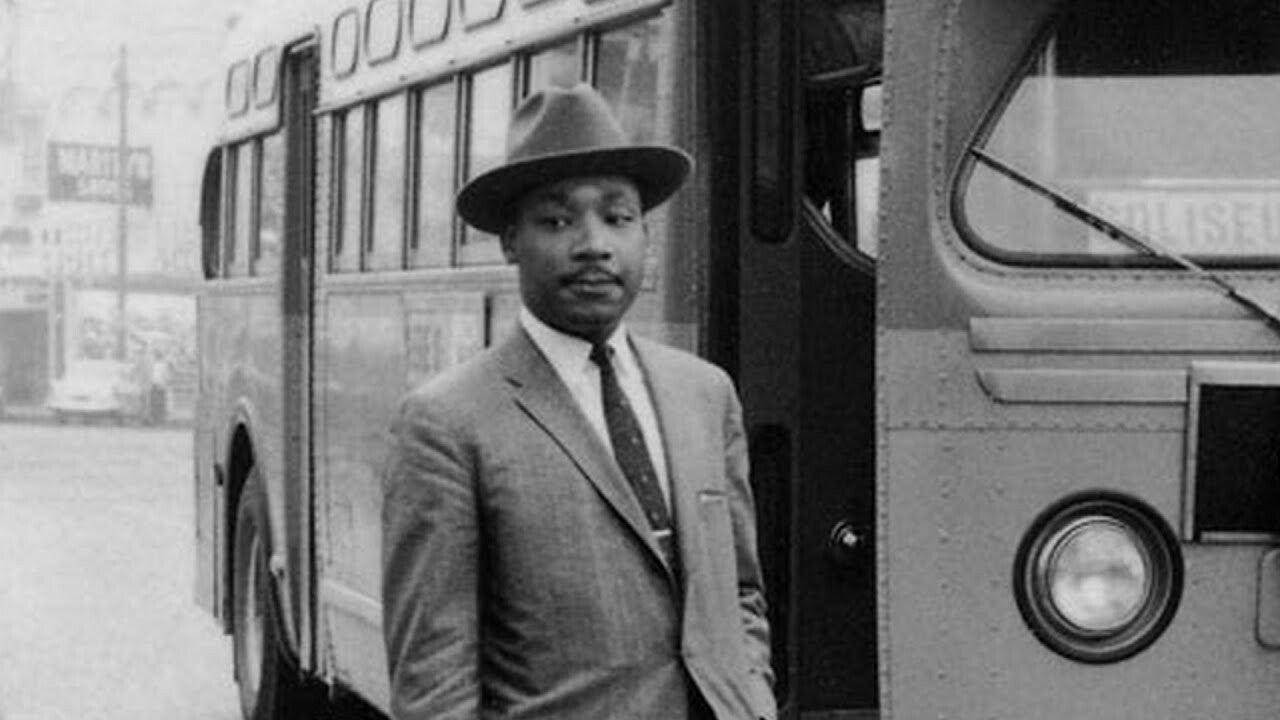
Boston: Tying Everything Together
Boston University was not just another institution that gave King philosophical ideas, it was the institution that completed the learnings at both Morehouse and Crozer. Boston University gave King a fully integrated intellectual identity, that would become crucial in the activism of the Montgomery Bus Boycott. Boston marked a significant era in King's life, it marked the point where he was no longer a preachers boy, but instead a critical theologian.
Create Your Own Website With Webador