Crozer Seminary: An Era of Unresolved Thought
Explore the crucial years Martin Luther King Jr. spent at Crozer Theological Seminary, where foundational ideas and influential thinkers shaped his emerging philosophy of nonviolence and social justice.
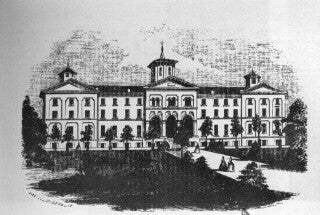
The intellectual environment of Crozer
From 1948 to 1951 Crozer Theological Seminary provided Martin Luther King Jr. rigorous academic and philosophical studies that profoundly influenced his future work. It was at Crozer where King encountered such an open and progressive atmosphere that encountered critical debates. This environment allowed King to explore ideas and beliefs that would shape his vision for justice and equality.
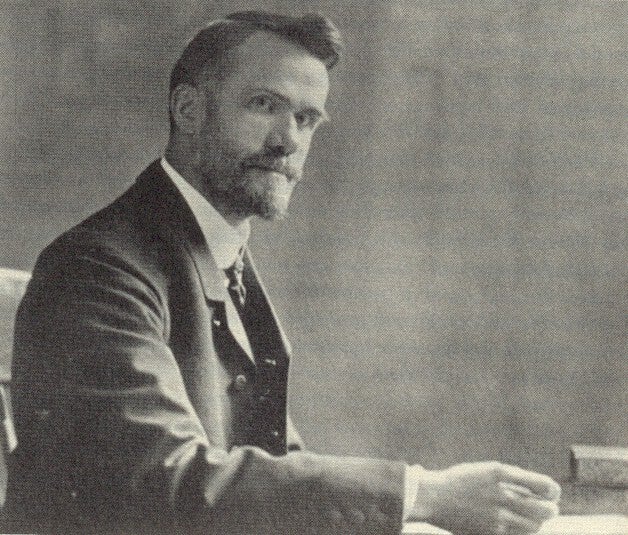
Rauschenbusch versus Niebuhr: Unresolved tensions
King's studies at Crozer brought him face-to-face with the intellectual tensions between the optimistic Social Gospel preached by Walter Rauschenbusch and the more pessimistic, realistic theology of Reinhold Niebuhr. While Rauschenbusch aligned closely with King's own belief in the moral responsibility to challenge inequality, Niebuhr's critique of idealism led to an unresolved tension in King's mind that would not be resolved at Crozer. While Rauschenbusch believed social could be changed through a collective moral purpose, Niebuhr warned that human nature were harder to change than idealists believed. King never abandoned either idea, instead he carried this tension as he developed his own framework of resistance
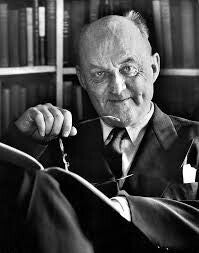
Niebuhr's profound impact
One of the most significant influences on King at Crozer was the theologian Reinhold Niebuhr. Niebuhr's work left a lasting impression on King who had admired his critique of social evil and the corrupting nature of power. Yet King did not entirely follow Niebuhr. Niebuhr's pessimism about human nature heavily contradicted King's own belief, especially when it came to the power of love and nonviolent resistance. King’s encounter with Niebuhr at Crozer directly challenged the liberal confidence that Rauschenbusch had inspired and made King aware of ‘the complexity of human motives and the reality of sin on every level of man’s existence’. [2]
Not until I entered theological seminary, however, did I begin a serious intellectual quest for a method to eliminate social evil.
-Martin Luther King Jr [3]
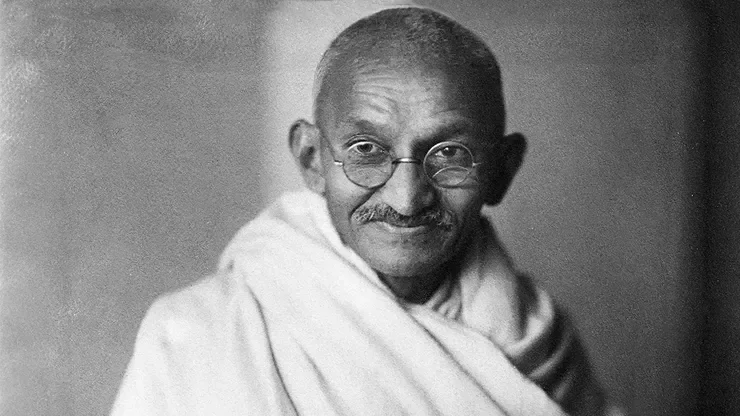
The Introduction to Nonviolent Resistance
It was also at Crozer Seminary that King was first introduced to the philosophy and practice of Mahatma Gandhi's nonviolent resistance. Attending a lecture on Gandhi and reading extensively about his campaigns, King found his work on nonviolent resistance as a practical and moral framework deeply resonated with his own beliefs. [4] Whilst this framework would become key to his activism in Montgomery, King lacked the philosophical framework to integrate Gandhian nonviolence with his Christian theology, meaning his understanding of Gandhi could not be complete at Crozer Seminary.
Create Your Own Website With Webador